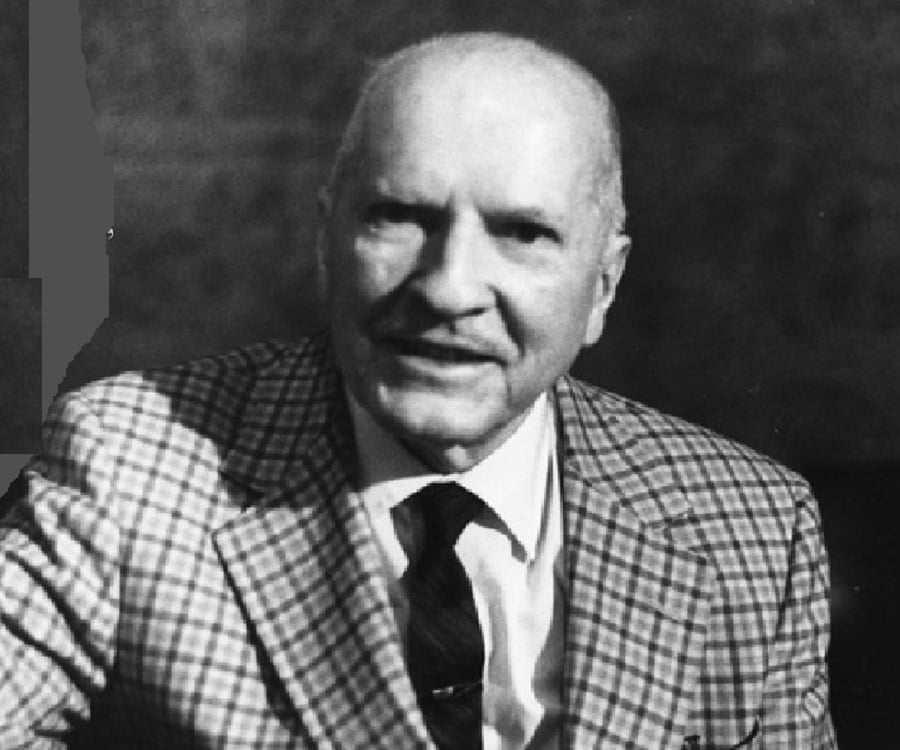
My first reading of "Stranger In A Strange Land" must have taken place sometime shorty after it had originally been published in 1961. Until this rereading, I had never read the 1991 original uncut version which Robert A. Heinlein's wife had published after his death. This uncut version is about 60,000 words longer than the 1961 original published version. The difference in the word count apparently came about because the publisher felt that the manuscript was too long for the modern readership. The 1961 version was a massive hit with the reading public and quickly became ingrained into American culture both because of its literary quality and its truly unique story about a man known as "The Man From Mars" who is actually a human but born on Mars due to the fact that both his parents were members of the first Mars expedition from earth.The book and its story is similar in some ways to at least two other classics in the field of science fiction:
"The Man Who Fell To Earth" by Kentucky born writer Walter Tevis,and the original first book in the Dune series by Frank Herbert. All three involve protagonists who arrive on earth or an earth like planet from outside the solar system, come to be somewhat or absolutely messianic figures, and untimately change the world around them. Since it has been so long after I had originally read the shorter version of the book, I cannot say much about the material which was deleted from the original and restored to the 1991 edition. The original version of the book brought two or three words or terms into common use in everyday spoken English. The most widely known of these words is "grok" which is a very widely applicable word for comprehension, understanding, or simply grasping the meaning of new information. Another new term which was introduced in the book was "Fair Witness" which is a term for a professional person whose work it is to be present at meetings, court proceedings, or other encounters between people and others with whom they might have some ongoing conflict. A Fair Witness is trained to verbatimly memorize every word which is spoken in their presence and, if necessary, to testify in a court about what actually happened in those encounters. A Fair Witness is literally a human recording device which is without error or falability. The book also described a contraption very much like a waterbed before the waterbed was invented. When the first patent attempt was made in the USA for a waterbed, it was initially denied under the judgment of the US Patent Office that the information from the book had constituted prior art as the office described it. It is likely that if Heinlein had chosen to contest that patent application and file his own application that he would have held the patent for the waterbed. The protagonist Valentine Michael Smith is the Mars born son of two US astronauts who traveled on that first Mars expedition while not married to each other and had Mike Smith out of wedlock and born on Mars. His conception and birth on Mars brings into play a legal concept on earth regarding rights of explorers in space to claim ownership to worlds they discover. Since Smith was the only survivor of that first expedition, it is claimed that he actually owns Mars and everything on it. But Martians, which is what Smith has been reared to be by his Martian caregivers, have no concept for personal property and Smith has no ideas about owning anything which would be meaningful to an ordinary earthling. Smith is originally placed in seclusion in a hospital by the planetary government on earth both to make it possible to control him, deprive him of his assets, and prevent him from having contact with anyone on earth who might interfere with the ongoing government effort to rob him of his alleged wealth. But a nurse, Jill Boardman, who meets and befriends him helps him escape from the hospital and eventually takes him to the truly unique home of Jubal Harshaw who is both a doctor and an attorney. He is also a worldwide public figure and author, incredibly intelligent and adept at the practice of law and become endeared to Smith and Boardman. They gradually learn that Smith has truly unique powers including the ability to use nothing more than his mind to make literally anything or anyone to "discorporate" or disappear permanently from the earth. His mental powers are truly prodigious and he quickly devours all the written information he can be supplied about earth and everything on it.
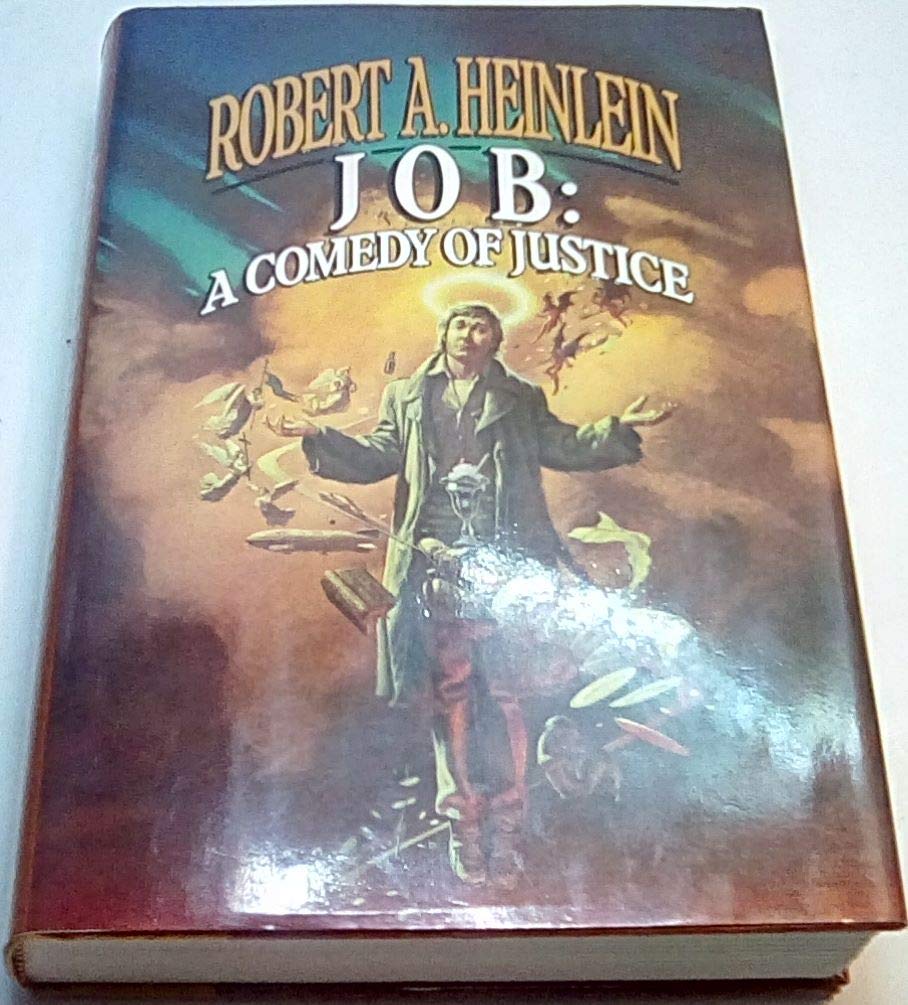
Later in the book, Michael and Jill decide to leave the protection of Harshaw's home and begin to ramble around the country. Along the way, they join a traveling circus as a sideshow act and Smith uses mild examples of his Martian powers to perform "tricks" in the sideshow. But he is seen as a typical sidewhow fraud and is fired for his failure to attract good audiences. They are also invited to a church service by a major figure in the one dominant church on earth which is also controlled by one worldwide government. As a result of being exposed to the religion of that church Smith decides to start a church of his own, teach his mental powers to its members, and he becomes a cult leader and/or a messiah figure. His church is rapidly growing and putting the strangle hold of the original church at risk. That church also controls the government and the great majority of the masses on earch. As a result, Valentine Michael Smith becomes the victim of an assassination which is, of course, the most likely end of all messianic figures including Jesus Christ. The book is one of several in which Heinlein wrote in a fictional context about his somewhat unusual religous beliefs. Another such book is "Job: A Comedy of Justice". No matter which version of "Stranger In A Strange Land" you choose to read, you will find that it is one of the best books in all of science fiction and fantasy literature. But, I would strongly suggest that you choose to read the Unabridged Edition since it is the form in which Heinlein intended to publish the book before his editor and publisher overruled him.